Normalize readiness
Requirements, development, testing, security, dependencies, and operations share one evidence model.
Turning fragmented delivery evidence into an explainable release decision.
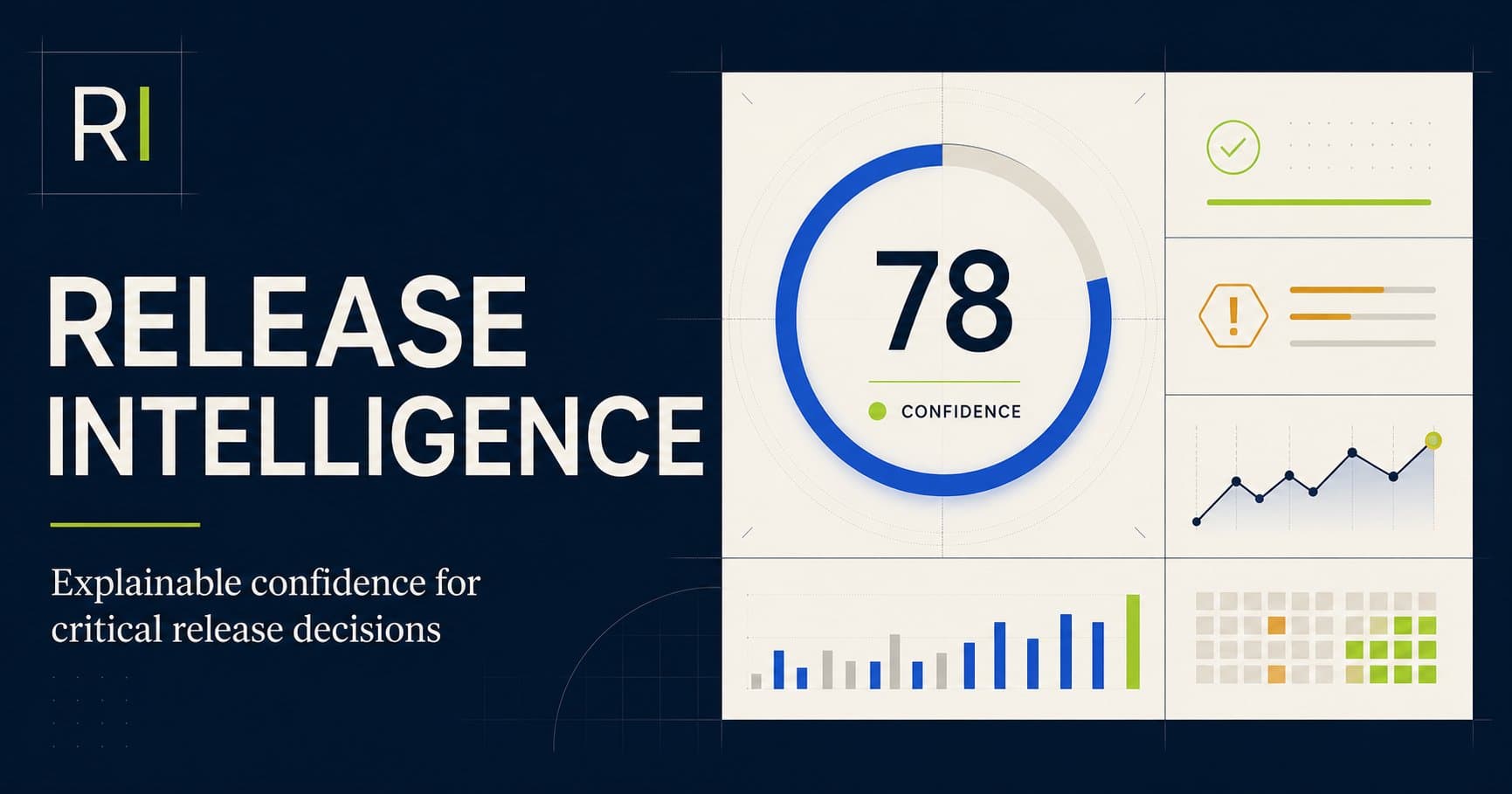
Critical releases are governed through disconnected trackers, test reports, security findings, dependency updates, and presentation narratives. Leaders can see activity, but not always the evidence behind a recommendation—or the fastest action to improve it.
Requirements, development, testing, security, dependencies, and operations share one evidence model.
Weights, evidence penalties, safety caps, and top drivers make every score reconstructable.
Risks and commitments are paired with accountable owners, dates, exposure, and recommended actions.
A deterministic AI fallback creates an executive narrative without credentials or opaque claims.
Illustrative enterprise evidence model: Jira Align and Jira planning · GitHub Enterprise engineering signals · CI/CD and DevSecOps controls · automated testing · cloud, change, and observability platforms. The public demo uses synthetic data and no employer connections.
The application demonstrates how a principal TPM or engineering delivery leader designs governance: choose the evidence, define the gates, make uncertainty visible, and create a repeatable path from signal to decision.